How we manage weeds on public land
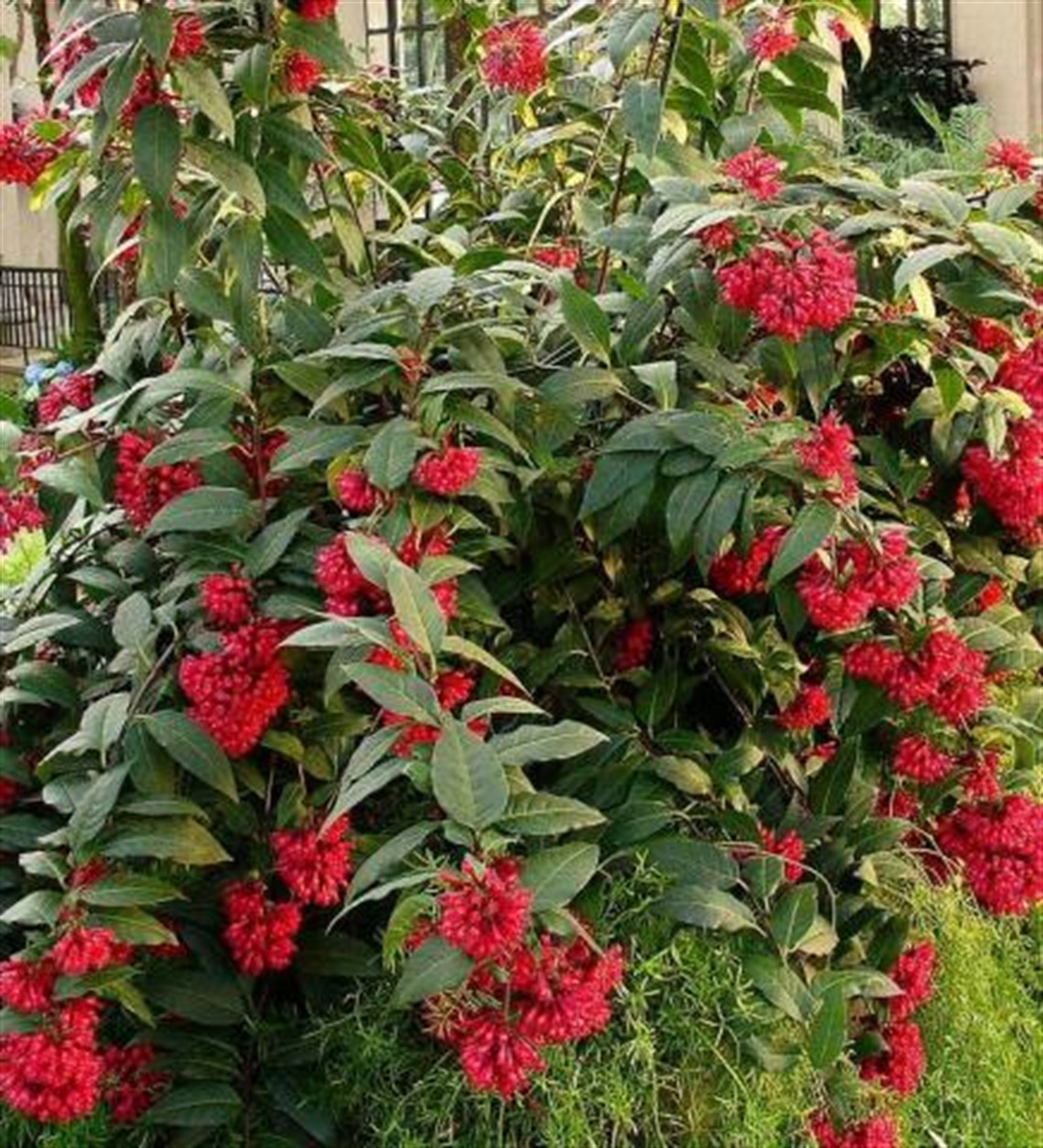
Managing weeds on Council land is a complex issue, where no singular approach works for every location and every species of weed.
Council's primary method of treating weeds is mechanical - brush cutting and mulching - with hand-weeding in some cases.
We continue to use glyphosate and other chemicals, only when there is no viable alternative to chemical-based weed treatment.
Examples of non-chemical weed treatment Council uses and investigates
- Certified organic herbicides are regularly being tested by our Urban Parks Team.
So far, we've had limited success in controlling weeds, and the products come at a significantly higher cost, with more frequent spray runs.
- Weed steaming has been investigated and trialled, but with limited success. Access issues and heavy water use are major issues in this method, and the cost is significantly higher than other treatment options. A Deakin University study found that steam treatment caused alterations to soil microbe populations, reducing microbial diversity, and recommended it’s use on hard surfaces, such as concrete paths and carparks.
- Traditional manual works, such as hand-weeding, brush-cutting and reach mowing have increased in our programming, and are effective weed control methods.
- Goats have been trialled in bushland areas, with limited success due to damage to native vegetation. This option has been great for use in sites with heavy weed loads and less native vegetation present. However, many locations are not suitable due to access and fencing requirements.
- We're also investigating biological weed control and burning, and are always investigating options to manage weeds more effectively.
Examples of when we use chemicals to treat weeds
- Large woody weeds, such as Sycamore Maple and English Holly, require targeted chemical treatment on stumps when cut down, otherwise they can grow back into a sprouting thicket and become more difficult to manage.
- Climbing vines, particularly English Ivy and Japanese Honeysuckle, require cutting and painting to prevent choking or smothering of native plants and trees.
- Some grassy weeds such as Couch and Kikuyu, which root hard to the ground, are difficult to remove by hand. We use chemical-based treatments to dispose of these weeds and prevent them from encroaching into bushland, playgrounds and garden beds.
When using glyphosate, Council staff always adhere to label instructions and guidelines from WorkSafe and the Australian Pesticides and Veterinary Medicines Authority (APVMA).
There is careful consideration of weather conditions, signage for the public and timing of application and dilution of weed treatments.
We're committed to reducing chemical use wherever possible and proactively investigate, trial and research alternatives as they become available.
We encourage community members with more questions to contact our Weed Management Officer by email or by calling 1300 368 333 during business hours.
Weed FAQs
I have weeds on my nature strip. Can Council remove them?
Due to the large area of the Yarra Ranges, Council’s weed removal program is limited.
Works are assessed, prioritized and reviewed each year according to the following criteria:
- Are weeds obstructing traffic along roads and footpaths, causing road safety issues.
- Does the site support high conservation values? (Roadside conservation value surveys, weed mapping data analysis and staff inspections identify the conservation value and level of weed threat to sites).
- Should fuel reduction works be carried out in line with Yarra Ranges Council’s Annual Fire Management Plan? (This plan is developed in conjunction with the CFA and DEECA).
- Are noxious weeds present on the site? All land managers including private residents are obliged under the Catchment and Land Protection Act 1994 to control noxious weeds.
- Is the site close to or shares a boundary with a significant environmental asset such as a National Park, Creek or a Council bushland reserve?
- Will weed control on the site complement the works of a volunteer group or another land management agency?
Information on weeds and weed management can be found on our website to help you self-manage weeds.
Weed Wipeout vouchers are available to help with the cost of disposing of some targeted weeds.
Some target weeds, such as blackberry, English ivy up trees and a selection of high-threat noxious weeds can be treated under our weed management program, subject to seasonal resources and capacity.
Large woody weed removal works, such as Sycamore maple and Holly, can be carried out under our fuel reduction program to reduce fire risk (and weed threat), subject to seasonal resources and capacity.
When are weeds treated?
The type and timing of treatment depend on the weed variety.
Our Environmental Weeds booklet includes the optimal timing for treatment or removal of the most common environmental weeds found in the Yarra Ranges.